everything you need to know before you start a podcast
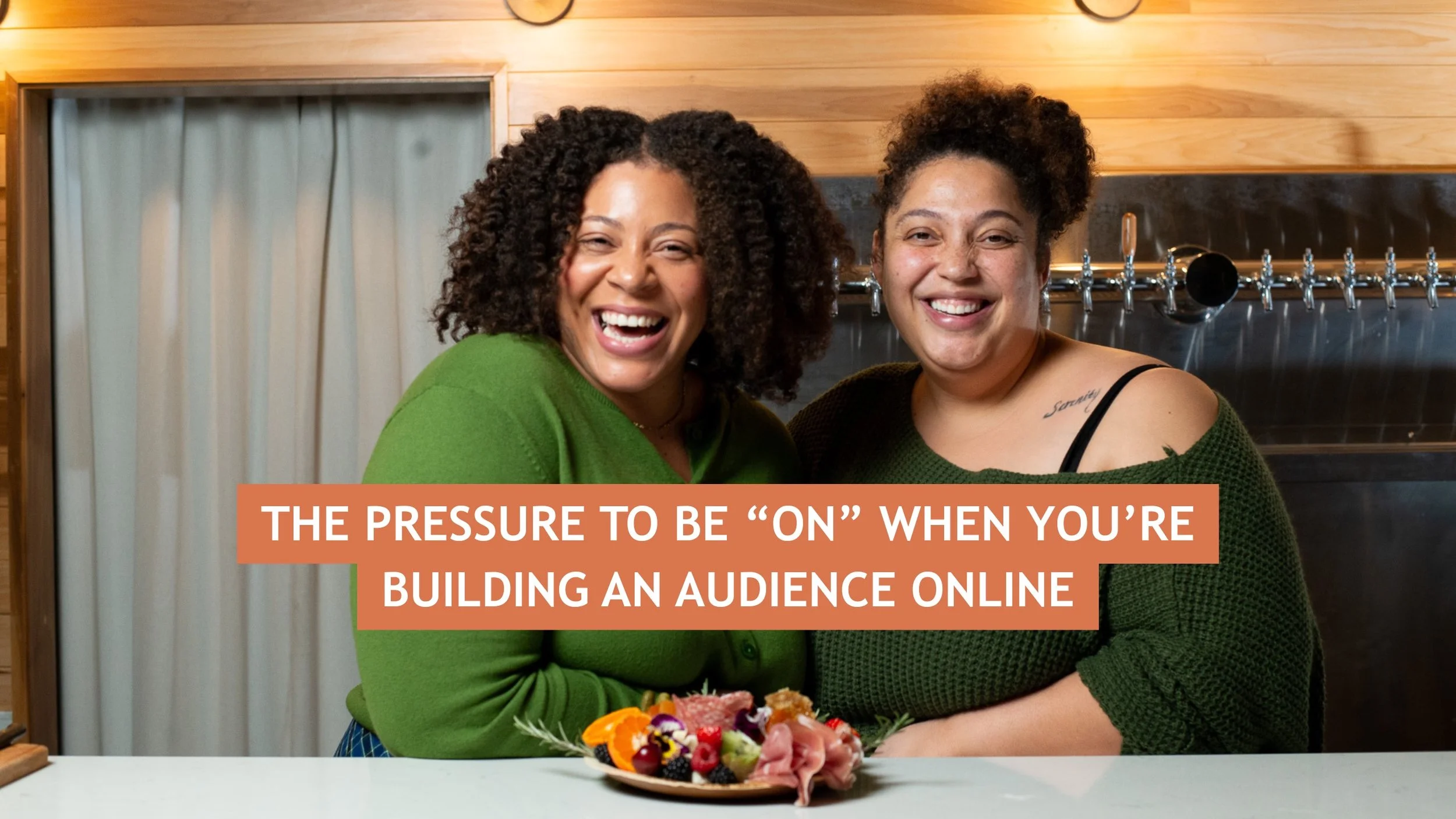
The Neighbors & Friends Podcast
So, you’re thinking of starting a podcast. You clicked on this article because you’re tired of talking about it and you’re ready to hit record.
I mean…how hard could it be, right? Incels do it everyday with nothing of substance to offer. Here you are, multiple degrees, successful businesses, traditionally published books, and when you show up on other people’s platforms, their audiences love you.
You were built for this!
Why is it so hard to get started?
I’m a multi-disciplinary creative, founder, and coach. My first business, Ginger and Carrot Productions does podcast production and we’ve filmed conversational content and long format content almost exclusively. Our focus is helping founders and small business owners find their voice and show up in a way that feels resonant to them and their audience. As a coach, I work with people to nail down that special sauce that makes them stand out so they can be undeniable.
First, can we acknowledge the back end set up? It’s not for the weak. Your podcast has to live somewhere just like your website does.
Then, you have to think about the technical aspect. Are you recording on your phone in a tube sock? or going full out lights, camera, action in a studio space.
Not to mention the branding and marketing! How will the word get out? Who would want to be a guest on your podcast if you’re just getting started?
Let’s dive in:
Podcasts feel difficult to start because they are difficult. So, stop gaslighting yourself. My production clients work with our team on developing a concept, a format, filming, editing, and publishing. It is a full time job and a lot of your favs have a huge support system. Here’s what it takes at a high level.
Step 1 - decide the concept
The subject matter is the first decision. What do you want to talk about? What is the overall message you want to share with the world? Think high level on this. For example: creating more connection so people feel less alone, to share hot gossip as an escape from this dumpster fire of an administration, to inspire people to take more risks…
You’re getting it!
Step 2 - decide your technical capability
Do you want to record conversations on Zoom and upload the audio file? Do you want a 5 camera set up, 4 lights, 2 mics, and a professional set? or something in between. Decide the level of production you want and commit. You can always increase production value, but you never want to move backwards…so it’s okay to be conservative here.
Step 3 - Map out a format
Do you want it to feel conversational? Is it an interview? Is it scripted? Will you leave room for ads or promoting your own business? Think about the podcasts you personally love and also consider how you show up naturally when you’re locked in on something new. That will help you decide on a format.
Step 4 - Who all gon’ be there?
This is the fun part - who’s gonna be on your podcast? Is it just you or will you have guests? Maybe even a co-host or both. This decision touches on your format. If you love connecting with others, having guest is a great way to produce amazing content. If you’re educating people or doing something scripted, then a solo podcast could work great for you.
Step 5 - Find a home for the podcast.
On Spotify for Creators, they will host your podcast, generate an RSS feed, and automatically share it to your connected platforms. If you connect Apple Podcasts, for example, every time you publish an episode, it will get published on Apple Podcasts automatically.
Step 6 - Decide what function the podcast has in your life.
Is it to promote your business? Is the podcast itself a business? Is it for the love of the game? Knowing the purpose of your podcast will allow you to track the right metric of success.
Step 7 - Get the word out.
Your podcast has to be shared for folks to listen. Mapping out branding, sharing the episodes with your immediate support system and community is a great way to keep the momentum going.
You don’t have to be an influencer to start a podcast either. You can be a tech consultant founder with a podcast about rugged device migration strategies. You can be a social media strategist discussing trends you’re seeing on LinkedIn. You can be an artist that is looking for new ways to reach your audience outside of what your label expects.
Podcasting can be an asset to any business because conversations will always be a tool for connection.
If you’re thinking of starting a podcast, what would it be?